
Disc Bulge and Disc Herniation
Progressive Chiropractic Berwick treats many patients with disc bulges and herniated discs. Disc bulges and disc herniations are a common cause of back and neck pain that can negatively impact a patient’s quality of life.
What is a Disc Bulge and a Disc Herniation?
Home > Conditions > Disc Bulge and Herniation
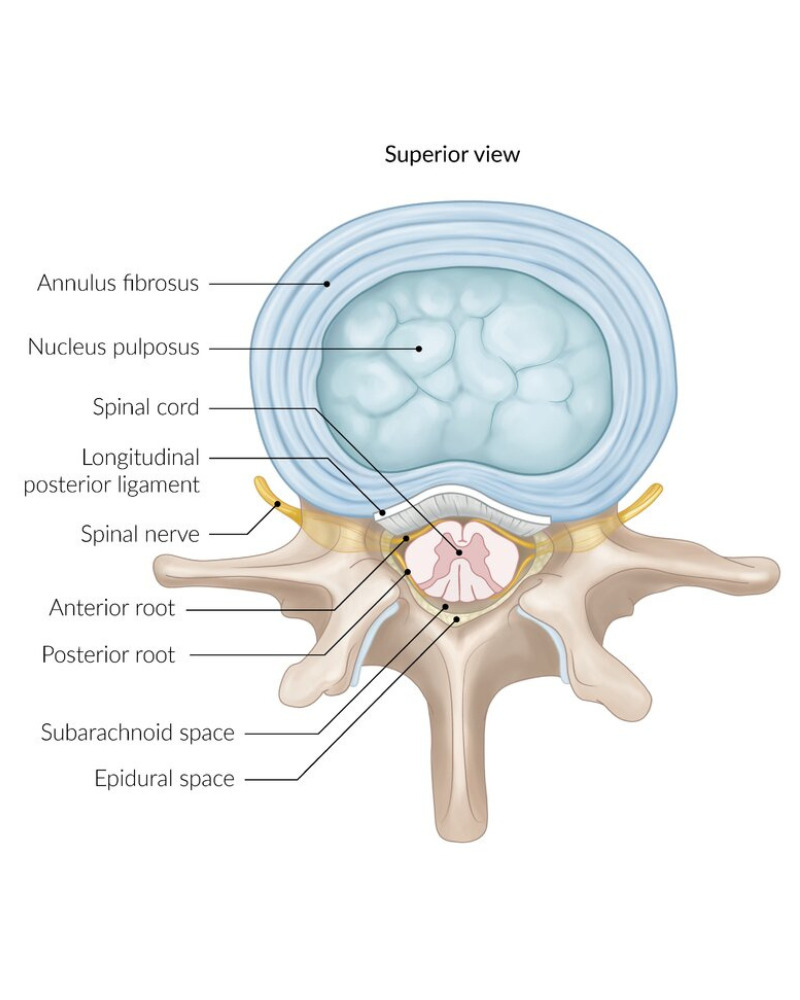
Many of our patients in Berwick visit Progressive Chiropractic with disc bulges, herniated discs, or other disc injuries causing back and leg pain. The term disc refers to the fibrocartilage cushion between each vertebra, which acts as a shock absorber, provides spinal stability, and allows smooth movement and flexibility. Each disc has two parts — an elastic outer layer (annulus fibrosus) that surrounds a soft, jelly like centre (nucleus pulposus).
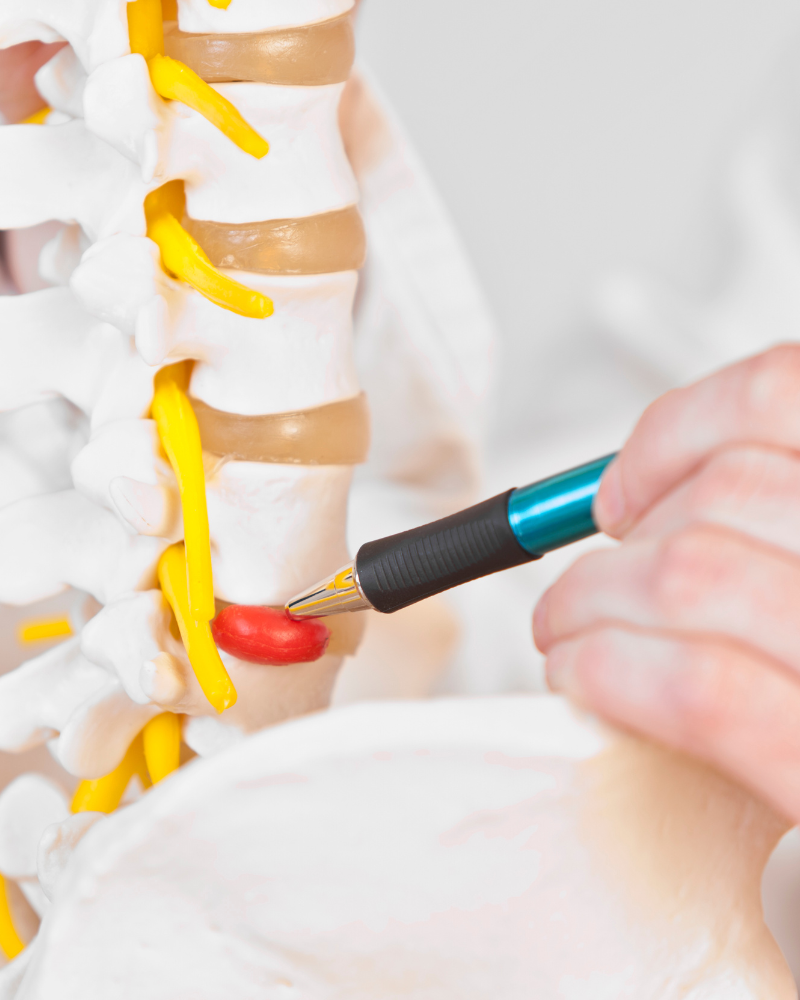
When the spine is exposed to trauma, excessive strain or age related wear, the disc structure can weaken. If the outer layer stretches and part of the disc bulges outward while the inner material remains contained, this is called a disc bulge or disc protrusion. If the outer layer tears and the inner material leaks into the spinal canal, it becomes a disc herniation or disc prolapse.
These conditions are sometimes incorrectly referred to as a “slipped disc.” In reality, the disc itself does not slip out of place rather, its shape changes or the inner material escapes. Both disc bulges and herniations can irritate nearby spinal nerves, leading to back pain, sciatica, numbness or tingling that may travel down the arms or legs.
On This Page
Symptoms of a Bulging Disc and Disc Herniation
Symptoms of a disc bulge or disc herniation can vary depending on the location and severity of the injury. Many of our Berwick chiropractic patients experience one or more of the following:
Back or neck pain, often described as deep, aching or sharp
Pain that worsens with bending, sitting, standing or laying for long periods, coughing, sneezing or straining
Radiating pain, numbness or tingling (pins and needles) that travels into the arm or leg, depending on which nerve is affected
Altered posture or a visible lean (antalgic posture) as the body attempts to reduce nerve pressure
These symptoms may indicate irritation or compression of a spinal nerve caused by a disc bulge or disc herniation. Early assessment by a chiropractor in Berwick can help determine the cause of your pain and guide appropriate treatment.
Risk factors of a Disc Bulge and Disc Herniation
Changes in spinal disc health are a normal part of ageing, just like other connective tissues in the body. While some age related or degenerative changes can occur without pain, certain risk factors increase the likelihood of developing a disc bulge or herniated disc.
Common risk factors include:
Excess body weight (obesity) – places additional pressure on the spinal discs and joints.
Lack of regular exercise or physical activity – leads to poor spinal mobility and muscle support.
Weak core and postural muscles – reduces spinal stability and increases disc stress.
Ageing – natural wear and tear causes discs to lose hydration and flexibility over time.
Incorrect lifting techniques – sudden or heavy lifting can strain spinal structures.
Poor posture – prolonged slouching or forward head posture increases spinal pressure.
Prolonged sitting or sedentary lifestyle – especially common in office or driving jobs, reducing blood flow and disc nutrition.
Understanding these disc bulge risk factors helps you take proactive steps to protect your spinal health. Our Berwick chiropractors can provide tailored advice on posture, ergonomics, and exercises to reduce your risk of injury.
How can chiropractic help with disc bulges and herniations?
Chiropractic treatment is a safe, effective and non invasive way to help manage disc bulges and herniated discs. At Progressive Chiropractic Berwick, our chiropractors use gentle, evidence based techniques to relieve pain, restore movement, and support the healing of affected spinal discs.
Depending on the location and severity of your symptoms, treatment may include:
Spinal Decompression (Flexion-Distraction Therapy)
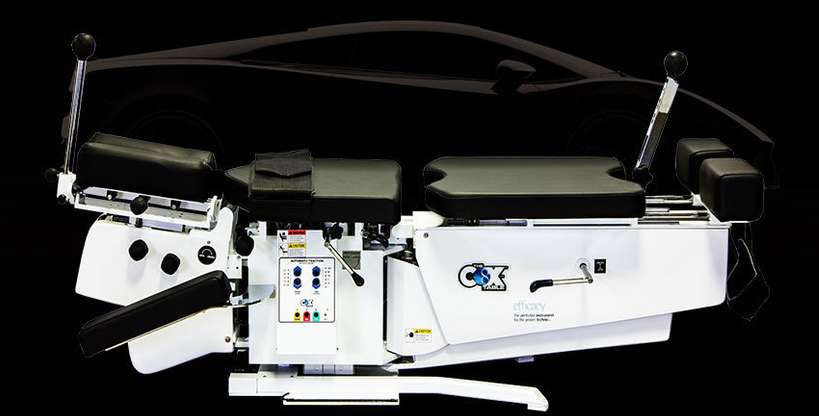
Using our specialised Cox Technic Table, gentle spinal decompression helps to increase disc height, reduce disc pressure, and enlarge the spinal nerve canals (foramina). This technique provides a comfortable stretch that promotes fluid exchange within the discs and relieves nerve irritation — ideal for disc bulge and disc herniation cases.
Spinal Adjustment and Joint Mobilisation
When spinal joints are not moving properly, they can place extra stress on nearby discs and nerves. Gentle spinal adjustments and mobilisations help restore normal movement, reduce inflammation, and relieve pressure on the affected nerves, allowing the body to heal more efficiently.
Soft Tissue Therapy and Massage
When used alongside chiropractic care, massage therapy helps relax tight muscles, improve circulation, and support recovery of the soft tissues surrounding the injured disc. While massage alone does not heal a disc injury, it can enhance the effects of chiropractic treatment and promote comfort during recovery.
Tailored Exercise and Rehabilitation Programs
To aid recovery and prevent future disc injuries, we design individualised exercise and rehabilitation programs focused on restoring core stability, postural control, and spinal strength. Strengthening the deep abdominal and back muscles helps support the spine, reduce pressure on the discs, and improve long-term function. These exercises are tailored to your specific condition and stage of healing, ensuring a safe and gradual return to activity.
Collaborative Care for Severe Disc Herniations and Bulges
In more severe cases, your chiropractor may recommend a combined approach working with your GP or specialist to incorporate anti-inflammatory medication, cortisone injections, or surgical consultation if necessary. Our team ensures you receive comprehensive, coordinated care tailored to your needs.
Do you need help with a Disc Bulge or Herniation?
Research on chiropractic treatment of Disc Bulge and Disc Herniation
Given the majority of patients suffering disc pathology will improve following non-operative therapies such as Chiropractic, a trial of conservative management is warranted before examining operative techniques. Daffner, S (2010). Cost and use of conservative management of lumbar disc herniation before surgical discectomy. The Spine Journal, 10(6); 463-468
A large percentage of acute and chronic lumbar disc bulge treatment patients using Chiropractic care demonstrated clinical significant improvements, with no adverse events. Leeman, S (2014). Outcomes of acute and chronic patients with magnetic resonance imaging – confirmed symptomatic lumbar disc herniations receiving high-velocity, low amplitude spinal manipulative therapy: A prospective observational cohort study with one year follow up. Journal of Manipulative Physiological Therapeutics, 37(3); 155 – 163
Research link: A randomized clinical trial and subgroup analysis to compare flexion-distraction with active exercise for chronic low back pain
Research link: Chiropractic Management of Postsurgical Lumbar Spine Pain: A Retrospective Study of 32 Cases
Karimi N, Akbarov P, Rahnama L. Effects of segmental traction therapy on lumbar disc herniation in patients with acute low back pain measured by magnetic resonance imaging: A single arm clinical trial. J Back Musculoskelet Rehabil. 2017;30(2):247-253. doi: 10.3233/BMR-160741. PMID: 27636836.
Related Blogs
When Should You See A Chiropractor?
Chiropractic care stands out as a popular option for addressing various musculoskeletal issues from back pain, sciatica, neck pain to headaches. But when exactly should
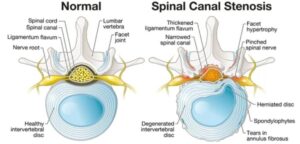
What is Spinal Stenosis and how can Spinal Decompression help
In this blog. We talk about spinal stenosis and how spinal decompression treatment works and can help you
Do I need x-rays to see a chiropractor?
Chiropractic in Berwick is a popular treatment option for various musculoskeletal issues, ranging from back pain to headaches. One common question that often arises among